Mastering Small Talk for Successful First Dates.
Move beyond interview-style questions. Explore everyday conversation starters and follow-ups that help a first date feel more comfortable.

In this guide
Hello, I’m your dating expert—here to help you navigate those crucial first moments of getting to know someone. In American dating culture, the initial conversation plays a key role in shaping someone’s impression of you. How you open up the dialogue and sustain a natural flow can set the stage for building genuine connection and trust. Today, let’s delve into the art of small talk: what it is, how to use it, and how it can become a powerful strategy in your dating life.
What Is Small Talk?
Small talk refers to light, easy-going conversation that often involves everyday topics like the weather, hobbies, or recent outings. It’s a tool that helps break the ice when you’re meeting someone new, easing tension and creating a comfortable atmosphere for both parties. In dating, small talk helps reduce initial awkwardness and lays a foundation of rapport before diving into more personal topics.
The beauty of small talk is that it’s low-pressure. You don’t have to come up with groundbreaking subjects. Instead, you can rely on common ground and widely relatable topics—perfect for sparking a positive first impression.
Small Talk Topics and Examples
Remember, the point of small talk isn’t just to fill silence; it’s to discover your date’s interests, show empathy, and find that “click” that can bring you closer. Below are some classic categories and sample questions you can use as conversation starters.
1. Weather
The weather is one of the easiest and most culturally acceptable starting points, especially in the U.S., where people often chat about recent temperature swings or seasonal highlights.
Examples:
- “The weather’s gorgeous today! How do you usually spend a sunny day like this?”
- “We’ve been getting a lot of rain lately. Are you more of a cozy-at-home person on rainy days, or do you still like getting out and about?”
Strategy:
If they mention enjoying a particular season or weather-related activity, dig deeper. Ask follow-up questions that uncover shared interests, like hiking trails in autumn or favorite indoor activities when it’s cold.
2. Travel
Travel talk often evokes excitement and positive emotions. Americans frequently dream about exploring new destinations—whether that’s a cross-country road trip or a weekend getaway.
Examples:
- “Have you taken any memorable trips lately?”
- “If you could choose, do you prefer a relaxing beach vacation or a fun city escape?”
Strategy:
Once you understand their travel style, share one of your own experiences. Offer suggestions or ask if they’d like to explore a certain place together in the future.
3. Food and Dining
Food often sparks enthusiasm. From hip new brunch spots to the best taco trucks in town, sharing taste preferences and recommendations can quickly build common ground.
Examples:
- “Have you tried that new café everyone’s talking about?”
- “Do you lean more toward spicy dishes or something sweet?”
Strategy:
If they mention a favorite restaurant or cuisine, consider suggesting a future dining date—something that ties your small talk directly into a next step.
4. Hobbies and Interests
Discussing hobbies is a fantastic way to learn what makes someone tick. Many Americans enjoy talking about their leisure pursuits, whether it’s a sport, a crafting project, or local weekend festivals.
Examples:
- “What do you enjoy doing on your days off?”
- “Have you picked up any new hobbies lately?”
Strategy:
If you share an interest, highlight it. Reflect their enthusiasm back to them. “No way—you love going to farmers’ markets too? I’ve been meaning to check out the one downtown.”
5. Health and Wellness
Fitness and mental health are increasingly popular topics in the U.S. Showing genuine interest in their lifestyle can be a subtle way to learn about their values and daily routines.
Examples:
- “Do you have a go-to workout, or something you do to unwind after a long day?”
- “When life gets stressful, what’s your favorite way to recharge?”
Strategy:
If they mention a type of exercise or relaxation technique, consider suggesting a shared activity sometime, like a yoga class or a weekend jog.
6. Entertainment and Leisure
Pop culture and entertainment—movies, shows, music, podcasts—are a great wellspring for small talk. This can also give you clues about what fun activity you might do together later.
Examples:
- “Seen any good movies or shows lately?”
- “Are you more into hanging out at home with Netflix or going out to catch a live show?”
Strategy:
You can follow up by watching a recommended series and sharing your thoughts later. This sets the stage for more in-depth conversations and a possible second date.
7. Views on Relationships (Used Carefully)
Addressing relationship values too early can be tricky, but gentle, open-ended questions can offer insight into what the other person values—without getting too heavy right away.
Examples:
- “When you think about a great relationship, what qualities do you think make it strong?”
- “If you were to try something new as a couple, what would it be?”
Strategy:
If they open up, mirror their sentiments and share your own. This can help determine compatibility. Just remember to keep it light and not overly serious in the very first conversation.
Small Talk as a Dating Strategy
Small talk isn’t about showing off your eloquence. It’s about making the other person feel seen and heard. Here are some guidelines to follow:
1. Observe and Adjust
Pay close attention to their responses. If they lean in and talk more when you bring up travel, linger on that topic. If they seem hesitant about discussing hobbies, shift to something else. Being adaptable shows respect and emotional intelligence.
2. Keep the Conversation Flowing
Don’t just fire off questions—this isn’t an interview. Offer your own stories and experiences to keep it balanced. For example:
“You like exploring art museums? I visited the Metropolitan Museum of Art in NYC once—such a cool spot. Have you ever been?”
3. Compliment Naturally
Acknowledge their interests or style in a genuine way.
“That’s a fascinating trip idea. You’ve really got a knack for spotting unique travel experiences.”
4. Use Empathetic Reactions
Show you’re listening and engaged with short, supportive responses:
- “Really? That’s awesome!”
- “No kidding, I’ve always wanted to try that!”
These affirmations make the other person feel comfortable sharing more.
Practice: Your Small Talk Plan
Choose a Topic: Select a topic that fits the context—if you’re on a coffee date, start with the café’s ambiance or their go-to coffee order.
Prep Open-Ended Questions: Formulate questions that invite more than just a “yes” or “no.”
- Instead of “Do you like coffee?” try, “What’s your favorite way to kick off your morning—coffee, tea, or something else?”
Observe Nonverbal Cues: Watch their facial expressions and body language. If they light up when discussing music, stay there a bit longer.
Build on the Info You Gather: If you discover they love a specific band or a local eatery, suggest going to a concert or grabbing dinner there next time.
Final Thoughts
Small talk is more than casual chatter; it’s the doorway to understanding another person. Used thoughtfully, it can transform an ordinary first meeting into a meaningful interaction that sets a strong foundation for future dates. Remember, the goal is to listen, understand, and find common ground.
So, why not pick one small talk topic today and give it a try? Your next conversation might just spark that special connection you’ve been looking for. Good luck and happy chatting!
Try it in your next conversation
Choose one light topic from the guide before you meet. Ask one question, listen to the answer, and share a little of your own experience. For example:
Have you discovered any good places nearby? I have been looking for somewhere to try at the weekend.
Make it fit your situation with Karizz
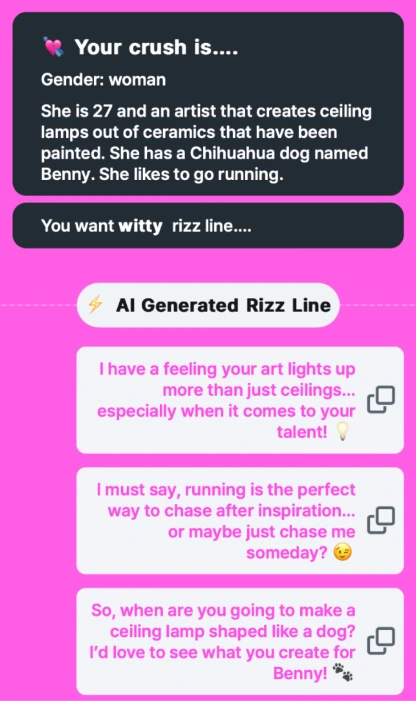
Use the prompt below as a starting point in Karizz. Replace the brackets with your context and preferred tone, then review the suggestions before using them. Share only the details the question needs. Keep your own voice and leave the other person room to choose.
MAKE IT YOURS
Try this prompt in Karizz
Replace the brackets with your own context and use it in the app.
Conversation examples are illustrative. AI suggestions are a starting point, not certainty about someone’s feelings or a relationship outcome.